







Search Results for: Light Roast Grind Size
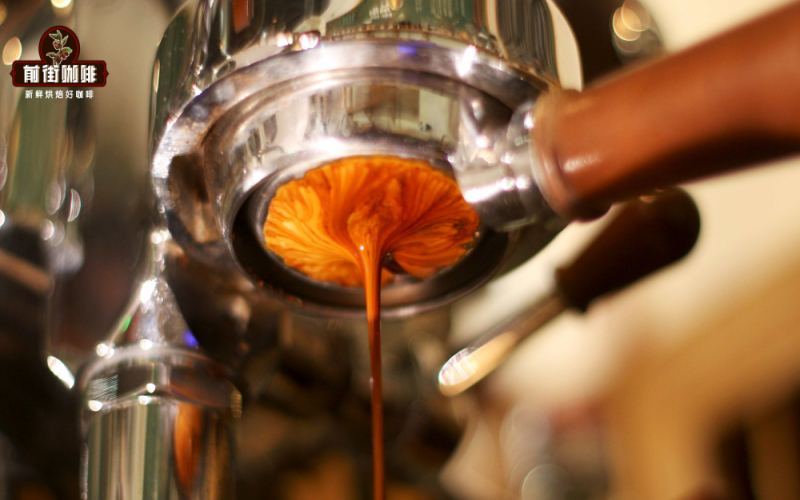
Are Light Roast Coffee Beans Suitable for Espresso? A Full Analysis of Grind, Dose, Pressure Adjustment, and Flavor Performance
Can light-roast coffee beans hold their own in espresso? This is a question many coffee lovers are curious about. Building on Front Street Coffee's previous tests, this article further sorts out the practical key points and flavor tendencies of making espresso with light-roast beans. Starting from common misconceptions, the article analyzes why light-roast espresso tends to be sharply acidic, and breaks down one by one how the three key variables—grind size, dose, and extraction pressure—should be adjusted. At the same time, for different taste preferences, it recommends suitable beans such as Front Street Coffee's Classic Blend, Commercial Blend, PWN Golden Mandheling SOE, and Strawberry Candy Espresso. Finally, it objectively describes the drinking experience of light-roast espresso to help readers decide whether it is worth a try. [more…]
A Guide to Extracting Light-Roast Espresso Beans: Flavor Characteristics, Common Issues, and Bean Selection Tips for Home Espresso Machines
Can light-roast coffee beans hold their own in espresso? Building on Front Street's earlier tests, this article takes a closer look at the flavor performance and key operating points of making espresso with light-roasted beans. From the causes of sharp acidity and channeling to adjustment strategies for grind size, dose, and pressure, it breaks down the pitfalls in extraction one by one. At the same time, for home and office scenarios, it recommends coffee beans with different positioning, such as Front Street Classic Blend, Commercial Blend, PWN Golden Mandheling SOE, and Strawberry Candy Espresso, helping coffee lovers find the espresso that suits them among acidity, crema, and sweetness. [more…]
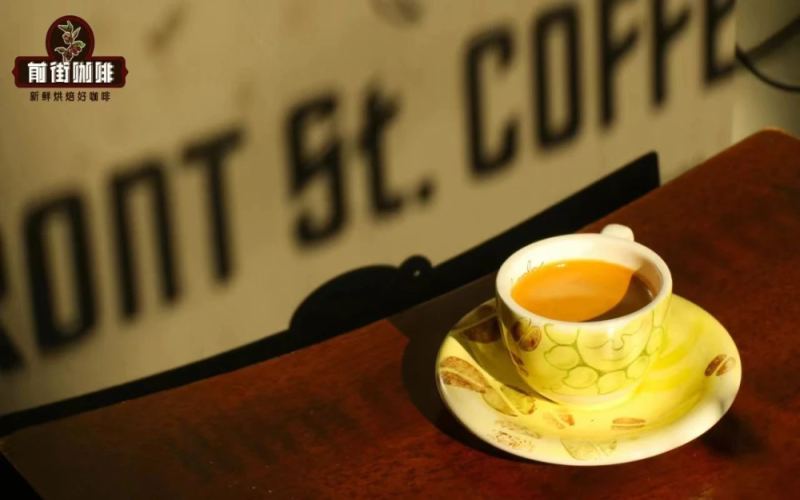
A Complete Parameter Guide to Making Espresso with Light-Roast Coffee Beans: Key Adjustment Points for Grind, Dose, Time, and Milk Coffee Ratios
Espresso is typically based on medium-dark or dark roasted coffee beans, because the caramelized aromas blend more harmoniously with milk. However, drinking the same flavor over the long term inevitably becomes monotonous, and many coffee enthusiasts turn to light roasted beans with prominent floral and fruity notes, such as Front Street Coffee Huakui SOE or Front Street Coffee Strawberry Candy espresso blend, which when used to make a latte can highlight creamy smoothness and berry-cocoa notes. Yet the difference in density and brittleness between light and dark roasts is significant, and using dark roast parameters to extract light roasted beans often results in espresso that is sharply acidic and thin, with an unbalanced mouthfeel once milk is added. This article systematically sorts out the five core parameters that need adjustment when switching from dark roast to light roast: the grind size needs to be adjusted finer by 2 to 4 steps, the dose increased by 0.5 to 1 gram, the extraction time extended to 28 to 40 seconds, the brew ratio loosened to about 1 to 2.5, and the amount of milk appropriately reduced to avoid masking the coffee's true flavor. All adjustments are premised on the freshness of the coffee beans, and Front Street Coffee ships everything freshly roasted within 5 days, with 24-hour shipping support, ensuring the flavor is at its best. [more…]
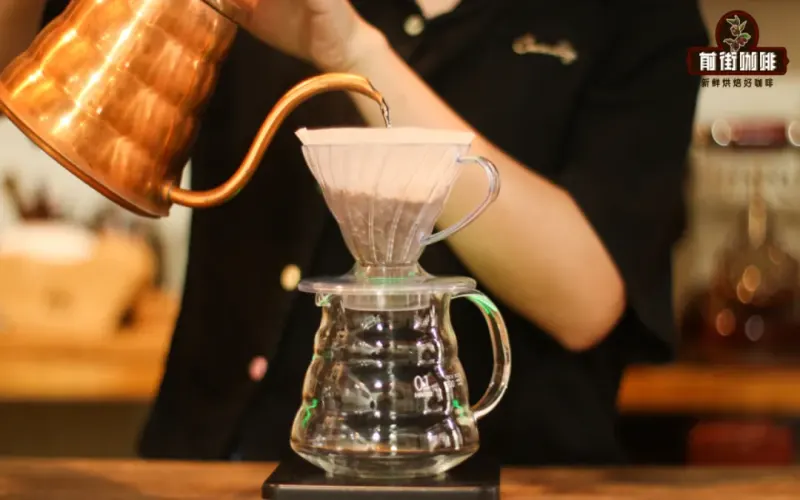
A Complete Guide to Pour-Over Coffee Grind Parameters: Differences in Water Temperature, Coffee-to-Water Ratio, and Grind Size Between Dark and Light Roasts
When brewing pour-over coffee, water temperature, water volume, grind size, and time are the four key factors that determine extraction. Among them, grind size is often the most easily misjudged because it cannot be directly observed—too fine or too coarse will throw the flavor off balance. This article starts with methods for judging grind size, explaining how to calibrate it using a No. 20 sieve, drawdown speed, and taste feedback, and compiles the three grind settings Front Street Coffee uses for light-roasted, anaerobic, and dark-roasted beans, including their respective passing rates through the sieve, water temperatures, and coffee-to-water ratios, while also offering grind adjustment advice for iced pour-over, helping enthusiasts build a stable, reusable brewing framework. [more…]
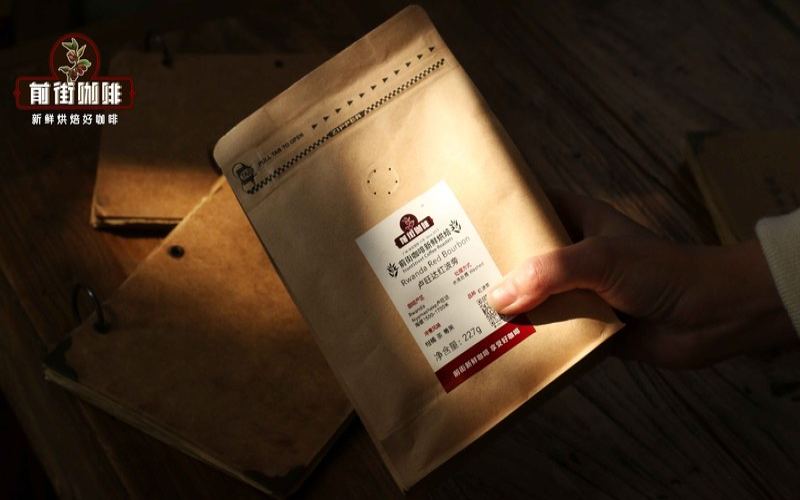
How to Choose the Grind Size for a Moka Pot? Adjusting by Roast Level Is More Accurate
For the same moka pot, when you switch to light, medium, or dark roast beans, the ideal grind won't be exactly the same. You can think of the grind size for a moka pot as a range: overall coarser than espresso machine grounds, finer than pour-over grounds, with a texture somewhere between fine and regular granulated sugar. The lighter the roast, the closer you generally move toward the finer end; the darker the roast, [more…]
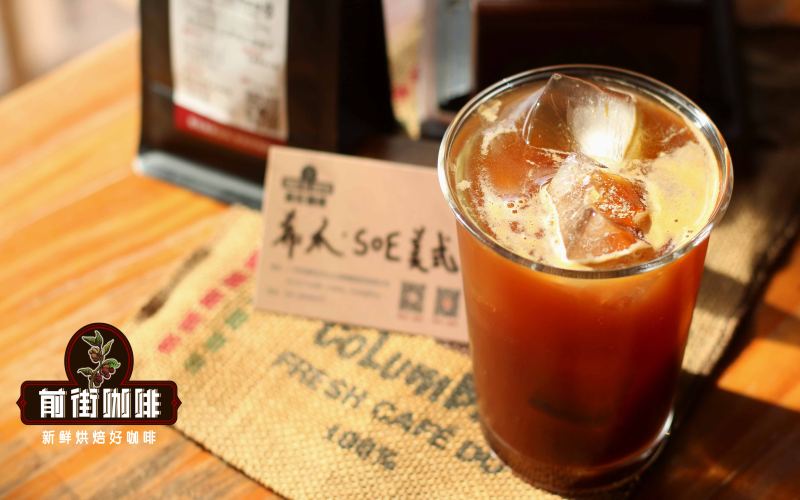
A Guide to Making Single-Origin Espresso (SOE): How It Differs from Blends, Flavor Characteristics, and Extraction Adjustment Methods
In recent years, the term SOE has become increasingly common in cafés. It refers to Single Origin Espresso, as opposed to espresso blends. Because espresso amplifies all the flavors of coffee, the strengths and weaknesses of single-origin beans are easily brought to the fore, which places higher technical demands on stages such as roasting and grinding. Starting from the definition of SOE, this article sorts out how it differs from blended beans in terms of stability and flavor performance, and, centering on whether light-roast SOE is necessarily sharply acidic, how to devise an extraction plan according to the purpose of drinking, and how to correct common problems such as sharp acidity, a short finish, unpleasant flavors, or too thin a body by adjusting grind size and extraction yield, it offers actionable ideas and reference parameters. [more…]
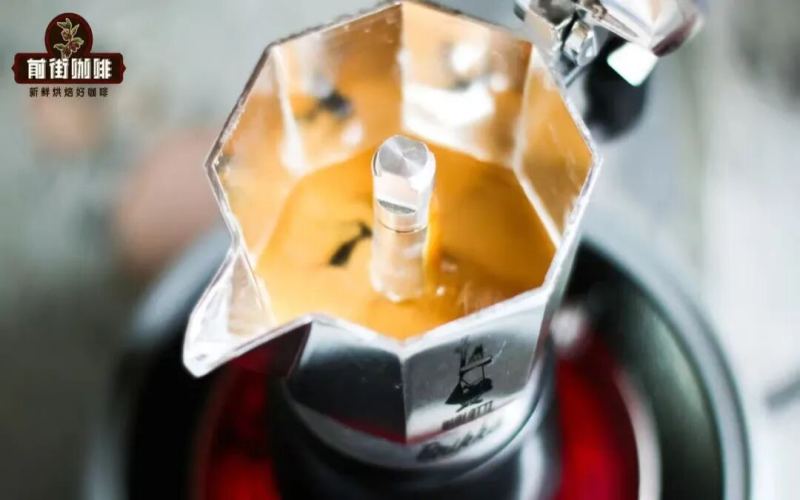
Moka Pot Coffee Bean Recommendations | Is Light Roast Coffee Suitable for Brewing in a Moka Pot? Introduction to Moka Pot Coffee Grind Size and Dosage Parameters
After drinking too much coffee of a certain flavor, we always want to try something new. For example, some friends who use moka pots, although they usually buy deeply roasted coffee beans full of caramel aroma to make moka pot coffee, occasionally want to switch to light-roasted beans to experience the floral and fruity notes of light-roasted coffee. However, due to online [more…]
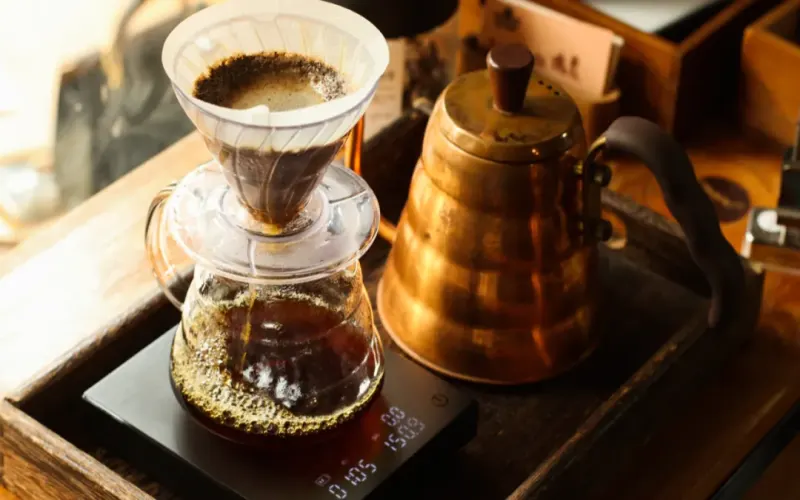
Analysis of the Differences in Brewing Methods for Dark Roast and Light Roast Coffee: Key Points on Water Temperature, Grind Size, and Time, Coffee-to-Water Ratio
In coffee brewing, the roast level directly influences the choice of extraction approach. Light-roasted beans generally require a higher water temperature and a finer grind, while dark-roasted beans are better suited to a lower water temperature and a coarser grind, in order to balance flavor and avoid over-extraction. This article will compare in detail the differences in brewing technique between the two roast levels, and explain why the time and coffee-to-water ratio remain the same. By understanding these core variables, coffee lovers can adjust parameters more flexibly and improve the consistency and taste of their daily brews. The article also includes practical recommendations from Front Street Coffee to help readers get up to speed quickly in practice. [more…]
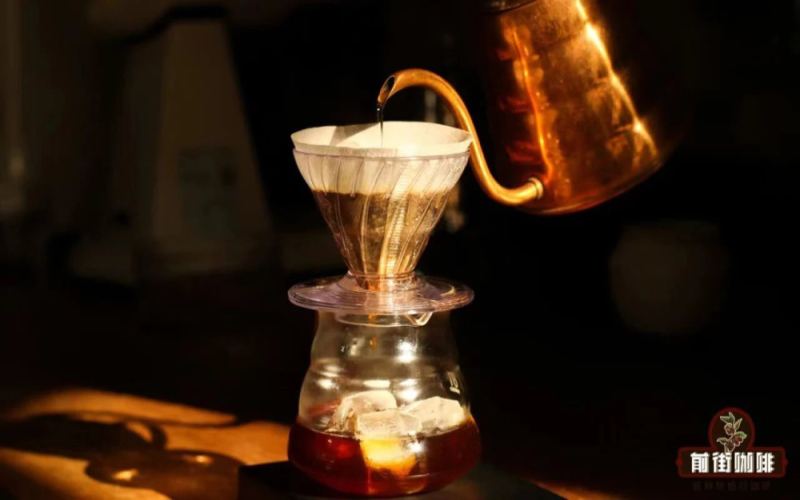
How Do You Get the Grind Size Right for Pour Over? A Complete Guide from Particle Size to Extraction Flavor
Grind size is a core variable in pour-over coffee that cannot be avoided, as it simultaneously affects the contact area between water and coffee grounds and the extraction rhythm, thereby determining the flavor direction in the cup. This article starts with coffee bean freshness and resting, explains the difference in extraction yield between fine and coarse grounds, and describes the corresponding taste performance when the grind is too fine or too coarse. It also introduces the method of calibrating grind with a 0.85mm cupping sieve, as well as Front Street Coffee's comparison table of applicable equipment organized by five levels—extra fine, fine, medium-fine, medium, and coarse—to help you find the appropriate grind range across different roast levels and brewing tools. [more…]
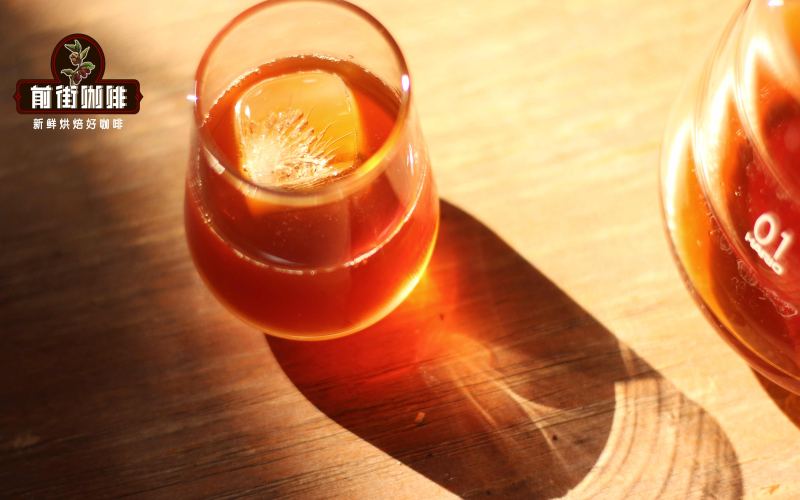
How Do Roast Level and Grind Size Shape Cold Brew Flavor? A Front Street Coffee Cold Brew Bean Buying Guide
The flavor profile of a cup of cold brew coffee often depends on multiple variables—from the origin of the green beans and the processing method, to the roast level and grind size, each link silently influences the final taste direction. The roast level determines the degree of caramelization of sugars in the coffee beans, which in turn brings a huge difference from bright floral and fruity acidity to rich bitter-sweetness; the grind size is directly related to extraction efficiency, with coarse grinds suitable for long low-temperature immersion cold brew, and fine grinds more suited to high-pressure quick-extraction espresso. So, exactly which should you choose—light roast, medium roast, or dark roast beans for making cold brew? Front Street Coffee combines representative bean varieties of different roast levels, analyzes their flavor characteristics one by one in the cold brew scenario, and gives specific recommendations to help you find the cup that best suits your taste. [more…]
How Fine Should You Grind for Pour-Over Coffee? A Comprehensive Analysis of Flavor Differences from Particle Size to Sieve Pass-Through Rate
Grind size is one of the most critical variables in pour-over coffee—it determines the contact area between water and coffee grounds, and also influences extraction time and the final flavor. This article will systematically sort out the logical relationship between grind size and extraction yield, tell you what kind of taste will appear in the cup when the grind is too fine or too coarse, and also introduce how to use a 0.85mm sieve to calibrate the passing rate, and give specific grinding recommendations for beans with different roast levels. If you do not want to buy an extra sieve, the article also categorizes five levels—extra fine, fine, medium-fine, medium, and coarse—so you can quickly find the right setting by comparing it with your own brewing device. [more…]
Coffee Storage Tips | How Many Days Should Freshly Roasted Coffee Beans Rest? How Soon Should You Finish Ground Coffee? How Does Grind Size Affect Coffee Flavor and Mouthfeel?
For more specialty coffee knowledge, please follow: Front Street Coffee (Frontsteet Coffee). In coffee, the coarseness of the grind directly affects the contact area between coffee and water as well as the extraction time, and it will directly affect the taste of the coffee. But at the same time, the coffee grind size is also what gives many people the biggest headache. [more…]
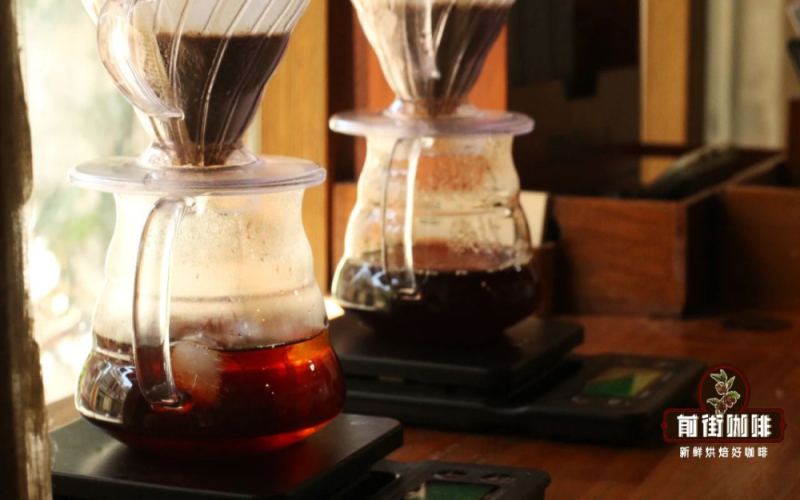
A Complete Beginner's Guide to Pour-Over Coffee: A Practical Analysis of How Coffee-to-Water Ratio, Grind Size, Water Temperature, and Pouring Technique Affect the Flavor of Dark and Light Roasts
The reason pour-over coffee is so fascinating is that every variable can be actively adjusted, thereby changing the final flavor direction. This article starts from Front Street Coffee's brewing experience, systematically sorting out the five core parameters of coffee-to-water ratio, coffee dose, grind size, water temperature, and time, and combines them with three pouring techniques—one-pour, three-stage, and stirring method—using Yirgacheffe Kochere and Golden Mandheling as two examples to separately explain the differences in brewing strategies for light-roast and dark-roast coffee beans. Whether you are a beginner who has just encountered pour-over or an enthusiast hoping to further understand the logic of extraction, this guide can help you establish a clear brewing framework and consistently reproduce a good cup of coffee at home. [more…]
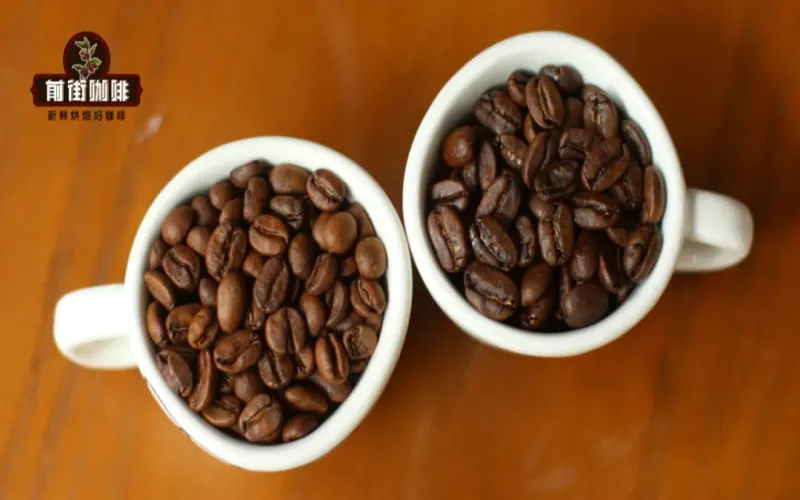
Pour-Over for Beginners: A Guide to Developing Extraction Plans for Unfamiliar Coffee Beans and Identifying Roast Levels
When faced with a coffee bean you've never tried before, how can you quickly find the right brewing recipe? Actually, you don't need to overturn your existing brewing habits—just make targeted adjustments to the extraction parameters. Drawing on Front Street Coffee's practical experience, this article teaches you to infer the roast level from the flavor description on the bean bag label, and from there determine the three core parameters: coffee-to-water ratio, grind size, and water temperature. It also explains in detail the differences in extraction logic between light-roasted and dark-roasted beans, as well as strategies for dealing with specially processed beans, helping you easily master every unfamiliar bean without changing your brewing technique. [more…]
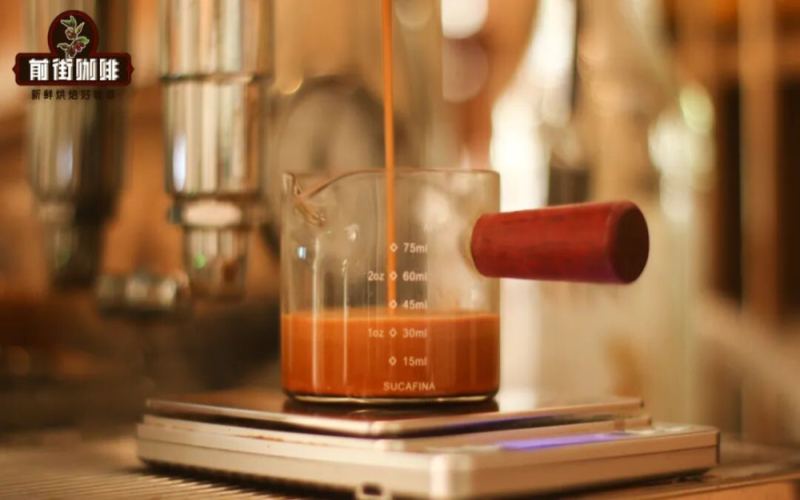
How to Extract Light-Roast SOE Espresso for the Best Flavor? Single-Origin Bean Characteristics and Practical Adjustment Methods
Making espresso with light-roast single-origin beans always turns out sharp, thin, and short on finish? The problem often isn't the beans themselves, but that your extraction approach hasn't kept pace with the roast level. Drawing on Front Street Coffee's practical experience, this article breaks down the flavor characteristics and common pitfalls of light-roast SOE, and lays out a complete method: start with a universal formula, then fine-tune step by step based on your drinking purpose and flavor performance. Whether you want to drink it straight, make an americano, or add milk, you'll find the corresponding direction for adjustments, so that light-roast SOE is no longer just a synonym for "sour." [more…]
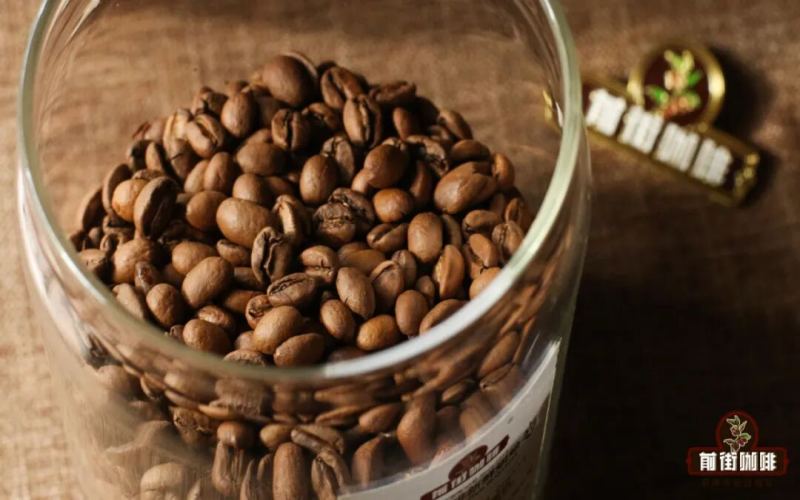
Coffee Knowledge | How to Quickly Identify Coffee Bean Roast Levels? Introduction to Grind Size and Brewing Water Temperature Parameters for Medium-Light and Medium-Dark Roasted Coffee
As everyone knows, Front Street Coffee mainly sells beans and has shops on both Taobao and Tmall, so friends who can't make it to the store often place orders online. Then some friends noticed that the labels on Front Street Coffee's beans don't indicate the roast level of the coffee beans, so they reported that after receiving them, they didn't know how to identify [more…]
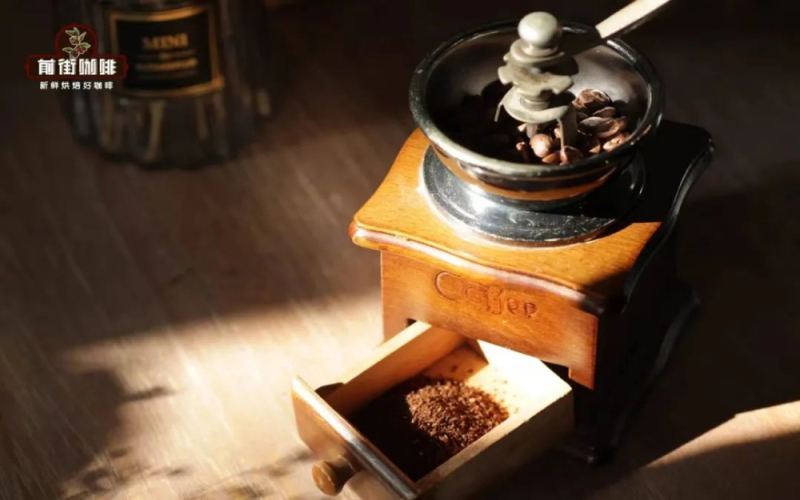
Coffee Grind Size Analogy Guide: Particle Size Correspondence Between Caster Sugar, Coarse Sugar, Sea Salt, Fine Salt, and Flour
There is no unified quantitative standard for coffee grinding, so enthusiasts often use everyday ingredients as analogies to quickly convey the concept of particle size. Common reference points like fine granulated sugar, coarse granulated sugar, sea salt, fine salt, and flour each correspond to different brewing methods and roast levels. This article goes through the particle size characteristics and suitable scenarios for each of these analogous grinds one by one: fine granulated sugar is mostly used for light-roast pour-over, coarse granulated sugar suits medium-dark roast beans, sea salt-like texture is suitable for immersion extraction methods like the French press, fine salt-like texture serves the fast-paced extraction of the moka pot, and flour-like texture is divided into two categories: espresso and Turkish coffee. The grind size described by each analogy is a range, not a single fixed value, and understanding this point helps with more flexible grind adjustment. [more…]
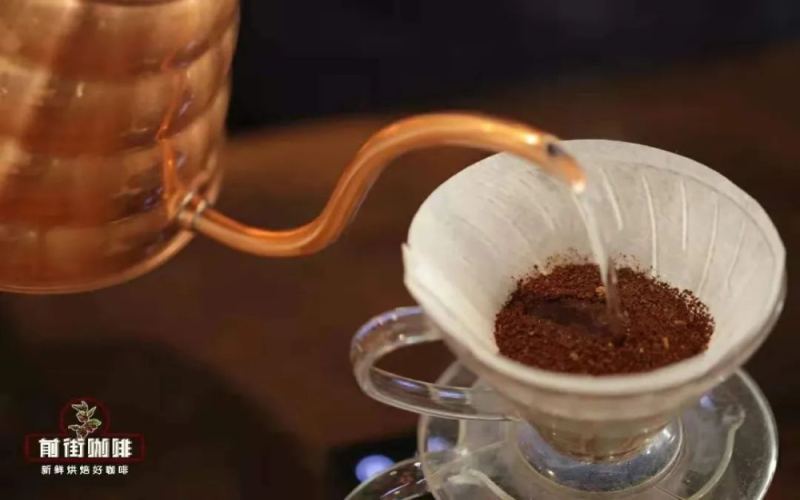
How to Set Parameters for Light-Roast Pour-Over Coffee? A Practical Brewing Approach Starting from Bean Information
When faced with a bag of coffee beans they have never encountered before, many people's first instinct is to ask others, "How should I brew this coffee?" Front Street Coffee often receives inquiries like this, but rather than giving a fixed answer every time, it is better to master a method for deriving the parameters yourself. Based on Front Street's practical experience, this article teaches you how to judge the suitable grind size, water temperature, and brewing approach through the origin, processing method, flavor description, and roast level on the packaging label. Whether it is light roast, medium roast, or dark roast, as long as you understand the logic behind the bean information, you can say goodbye to the "fear of unfamiliar beans" and make every cup of pour-over have a basis to follow. [more…]
A Complete Guide to Coffee Roast Levels: Flavor Differences Across Light, Medium, and Dark Roasts and Pour-Over Parameter Comparison
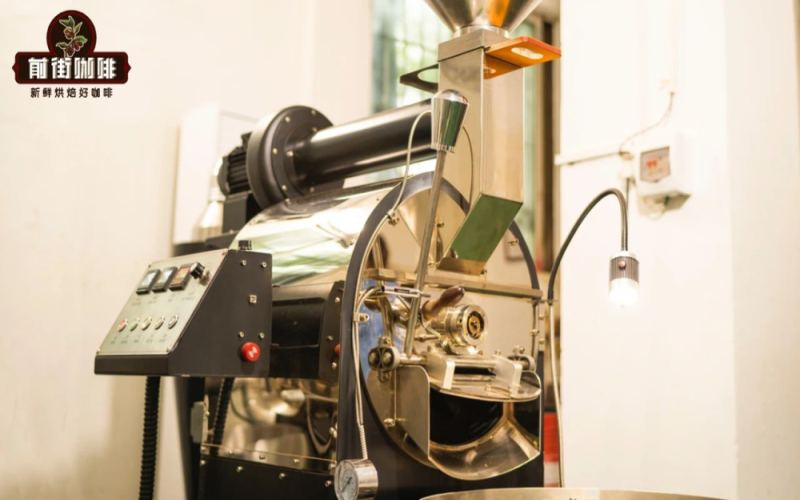
Roasting is the key stage that determines the final flavor of coffee beans. Only after green beans are roasted at high temperatures, undergoing the Maillard reaction and caramelization, can they release rich aromas and a balanced interplay of acidity, sweetness, and bitterness. The roast levels commonly found on the market today are divided into three types: light, medium, and dark, each presenting a completely different flavor direction and brewing logic. Starting from Front Street Coffee's roasting practice, this article systematically sorts out the chemical reaction principles and flavor characteristics of the three roast levels, and, combined with three representative beans—Yirgacheffe Konga, Brazil Queen's Estate, and Indonesia Golden Mandheling—provides corresponding recommendations for dripper selection, water temperature, grind size, and extraction methods, helping coffee enthusiasts build a complete cognitive framework from roasting to brewing. [more…]
What grind size is standard for cupping? An analysis of how to determine the grind size and water temperature for pour-over black coffee
When you get an unfamiliar single-origin coffee bean, how do you accurately judge its flavor performance? Cupping is the industry-standard method. Front Street Coffee conducts cupping on every coffee bean it acquires, whether or not it goes on the shelves. This article uses the SCA cupping system as its benchmark and provides a detailed introduction to the equipment and parameters required for cupping, including sample bean processing, grind size calibration, coffee-to-water ratio, water quality and temperature requirements, as well as the operating procedures for dry aroma, wet aroma, breaking the crust, and skimming. After cupping is completed, the pour-over grind size and brewing water temperature must also be determined according to the roast level. Light-roast and medium-roast coffee beans each have different standards for sieve pass-through rate and water temperature selection. [more…]